
The short answer
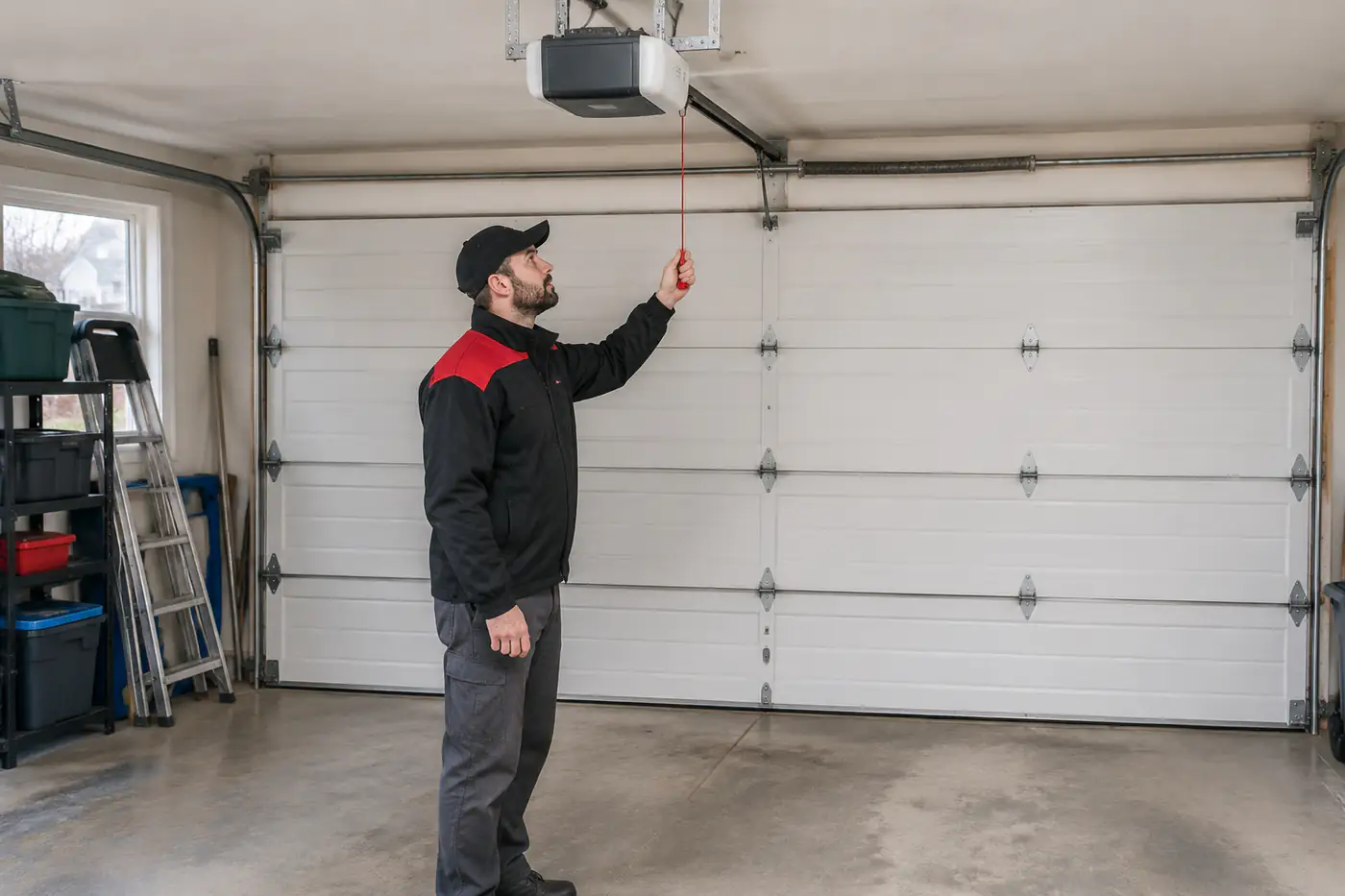
Pull the red emergency release only with the door closed when possible. Releasing an open door can let it drop.
If the door feels extremely heavy or won't stay up, a spring or cable is probably broken. Leave it closed and call.
From outside, you can only release the opener if the door has an exterior emergency release lock. Many doors don't.
To reconnect, reset the release cord for your rail type and run the opener through a full cycle so the trolley catches.
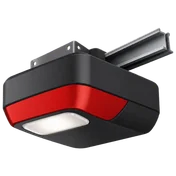
Before you pull the emergency release, check the springs
The opener doesn't lift your door. The springs do. Torsion springs on a bar above the opening, or extension springs running alongside the horizontal tracks, carry most of the door's weight so a small motor, or your arms, can move it. When a spring breaks, that counterbalance is gone and you're holding the full weight of the door. That's why opener makers warn that a door with weak or broken springs can fall quickly and without warning.
Take ten seconds to look. A broken torsion spring usually shows a gap of a couple of inches between coils. A broken extension spring may hang loose or be missing, and a snapped cable may dangle beside the track. If you see any of that, or you heard a loud bang from the garage recently, don't release the opener. Our broken garage door spring guide explains what to do next, and garage door spring repair covers the fix.
Step by step: how to manually open garage door systems with an opener
With healthy springs, opening the door by hand takes a minute. Work through it in this order:
Wall-mount openers, the kind that sit beside the door on the torsion bar, work a little differently. If the door has a manual lock, unlock it first, then pull the release handle down firmly until it clicks. If the door is stiff or noisy to move by hand on one of these units, stop and have it checked.
- Close the door first if you can, since opener makers say to use the release only with the door fully closed whenever possible.
- Unplug the opener so nobody presses a remote while your hands are on the door.
- Clear the doorway of people, pets, bikes and anything else in the door's path.
- Pull the red emergency release cord straight down, and on most rail openers you'll feel the release arm snap upright and free the trolley.
- Lift from the bottom handle or the bottom section with both hands, keeping fingers out of the gaps between sections.
- Pause at waist height and let go for a moment, because a balanced door stays put while one that drops or springs upward needs a technician.
- Raise the door fully to leave it open, and if it won't stay up, lower it and call rather than propping it on a ladder or a board.
Can you manually open a garage door from the outside?
Only if your door has an exterior emergency release. It's a small round keyed lock, usually in the top section of the door, connected by a cable to the opener's trolley. Turning the key and pulling the lock releases the opener so you can lift the door from the driveway. It doesn't lift the door for you, and it won't help if the springs are broken.
Without that kit, there's no safe way to disconnect the opener from outside. Fishing for the cord with a coat hanger through the top gap, prying the bottom section, or forcing the door can bend panels and pull the tracks out of line. If you're locked out with no side door or other way in, call us. Homes without a side entrance often add an exterior release kit for exactly this reason, so ask about one at your next service visit.
How do I reconnect my garage door to the opener?
It depends on the rail. On many Chamberlain and LiftMaster square-rail openers, pull the release cord toward the opener so the arm returns to horizontal, then run the opener through a full open and close cycle. The trolley catches the carriage on the way, and if it doesn't, a second cycle usually does it. On T-rail models, pull the cord straight down to reset it and run the opener. Some models also have a lockout position, pulled down and then back toward the opener, that keeps the trolley from reconnecting until you reset it.
Genie and other brands use similar release designs, so check the label on the trolley or the manual if the cord won't reset. Once it's reconnected, plug the opener back in and run the door with the wall button. If the trolley won't catch, the opener hums without moving the door, or the door reverses right away, see our garage door opener repair page or our guide to why a garage door won't open.
Is it safe to open a garage door with a broken spring?
It isn't safe. With a broken spring the door is dead weight, and nothing holds it if your grip slips. The lift cables can also come off their drums, and the door can tilt and jam crooked in the tracks. Opener makers' own instructions say not to move a door by hand if it feels extremely heavy, falls quickly when released, won't stay open, or has broken springs, cables or rollers.
The most dangerous moment is when a spring breaks while the door is open. Don't pull the emergency release then, because the opener may be the only thing keeping the door from dropping. Keep everyone out from under it, leave the opener connected, and call. If your car is stuck inside, it's faster and safer to have the door fixed than to try lifting it.
That's what our emergency garage door repair service is for. We're open every day from 7 AM to 10 PM, with same-day visits when the schedule allows, and the technician gives you a written price before starting.
What to do during a power outage
A power outage is the most common reason people need the garage door emergency release, and with a healthy door it's the easy case. Pull the cord with the door closed, lift by hand, and reconnect once the power is back. If you lose power often in summer storms or nor'easters, an opener with a battery backup keeps running through short outages, and many DC-motor openers accept one.
If you pulled the release and the door still won't budge, look for a manual lock on the inside of the door: a handle or slide bar that drops into a slot in the track. Unlock it and try again. If it's unlocked and still feels like it's bolted to the floor, assume a spring is broken and stop there.
Questions people ask
Can you manually open a garage door from the outside?
Only if the door has an exterior emergency release lock, a keyed cylinder in the top section that's linked to the opener's trolley. Turn the key, pull the cylinder, and lift the door if the springs are healthy. Without that kit, you'll need another way into the garage.
How do I reconnect my garage door to the opener?
Reset the release by pulling the cord toward the opener or straight down, depending on the rail type, then run the opener through a full cycle. The trolley reconnects to the carriage as it travels. If it doesn't catch, run one more cycle or check your manual.
Is it safe to open a garage door with a broken spring?
No, it isn't. The springs carry most of the door's weight, so with one broken the door can drop suddenly or jam crooked. Leave the door where it is, keep people and pets clear, and call a technician.
Should I pull the emergency release if the door is stuck open?
Not if a spring or cable may be broken. The opener may be the only thing holding the door up, and releasing it can let the door fall. Keep the area clear and call for help.
Why won't my door move after I pulled the release cord?
Check for an engaged manual lock on the inside of the door first. If it's unlocked and the door still won't lift, or it feels like dead weight, a spring is probably broken, so stop and call.

Rather have it handled?
Our technicians handle same-day and emergency repair across Jackson, Ocean County and Monmouth County, with a written price before any work starts.
Sources
- support.chamberlaingroup.com/s/article/How-to-Manually-Open-or-Close-a-Garage-Door
- support.chamberlaingroup.com/s/article/Why-does-my-garage-door-opener-hum-but-the-door-does-not-move-1484145515528
- support.chamberlaingroup.com/s/article/Does-my-garage-door-opener-require-any-monthly-or-annual-maintenance-1484145520006
- clopaydoor.com/residential/buyingguide/garage-door-openers