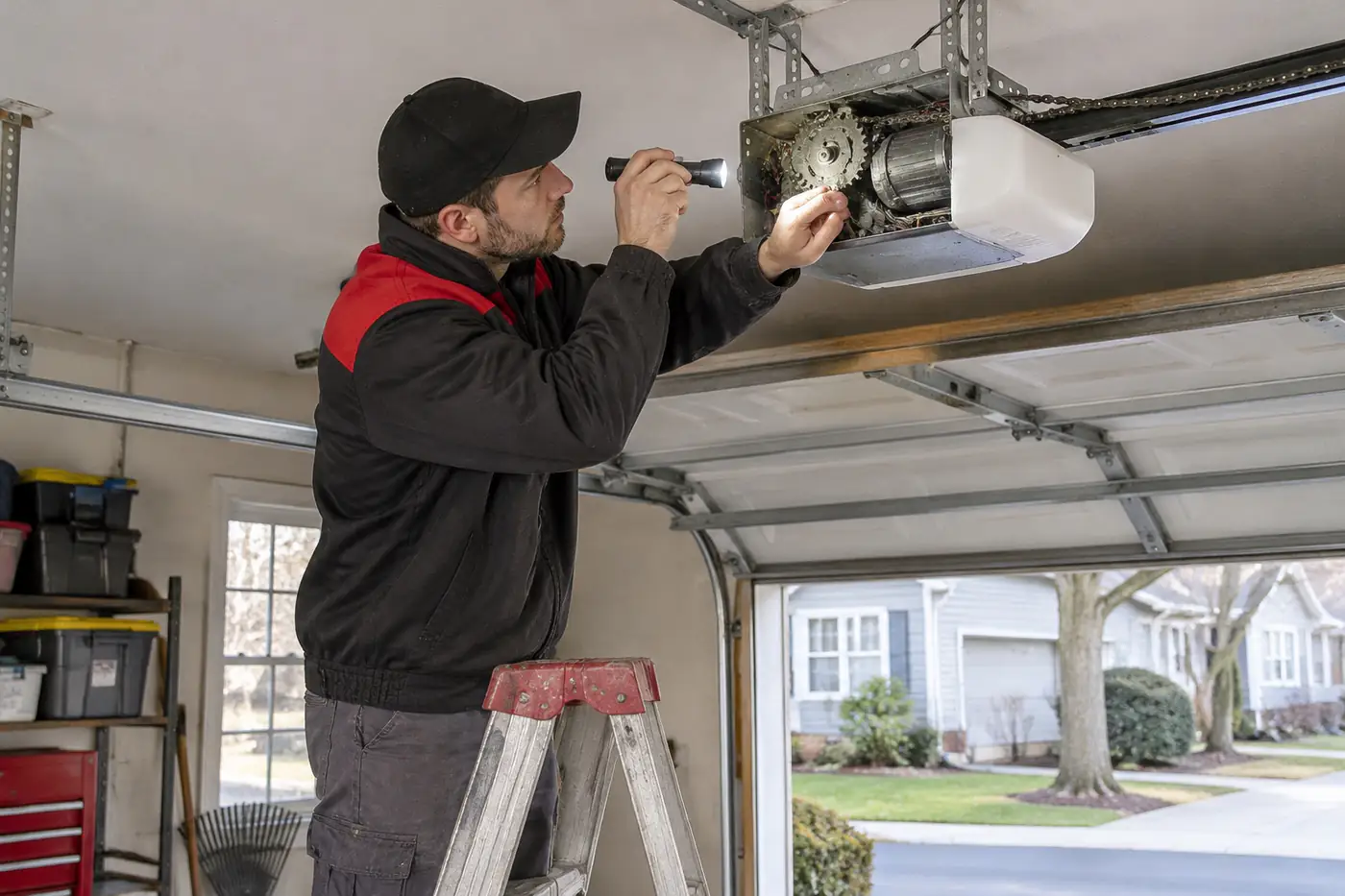
Garage door opener repair starts with a question most people skip: is the opener the problem, or the door? An opener is designed to move a door that's already balanced by its springs. If a spring is broken or a roller is binding, the opener strains, trips its safety settings, and looks like the part that failed. So before we touch the motor head, we disconnect the opener with the door closed and lift the door by hand to check its balance.
Once the door checks out, the opener's symptoms usually point straight at the fault. We work on all major brands, including LiftMaster, Chamberlain and Genie, in chain, belt, screw and wall-mount styles. Below are the common symptoms and what each usually means, what you can safely try yourself, and how we decide between repairing your opener and replacing it.
What to look for
Hums but the door doesn't move
Often a broken spring making the door too heavy, a stripped drive gear, or on some models a failed start capacitor.
Lights blink and the door won't close
On many openers, flashing lights and a door that reverses mean the safety sensors are blocked, dirty or out of line.
Door goes down, then back up
Reversing before it reaches the floor can be the sensors, a close limit set wrong, or a door binding in the track.
Remote works sometimes or not at all
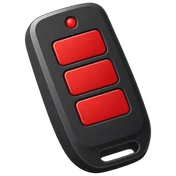
A weak battery, a console in lock mode, interference from some LED bulbs, or a remote that lost its programming.
Motor runs, door sits still
The trolley may be disconnected from the door, or the gear or sprocket inside the motor head has worn through.
Grinding, rattling or slow travel
A loose or dry chain, a worn belt, or an older screw drive whose grease has stiffened in the cold.



What do common garage door opener problems mean?
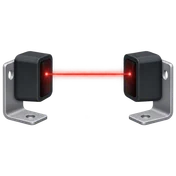
Safety sensors are behind a large share of doors that won't close. Federal rules have required openers to reverse since 1991, and since 1993 they've also needed an external safety device, usually a pair of photo eyes mounted 4 to 6 inches above the floor. If the beam between them is blocked, dirty or knocked out of line by a bike or a broom, the opener refuses to close, and many models flash their lights to tell you why. Our sensor repair page and sensor problems guide cover alignment in detail.
Inside the motor head, the usual wear part on many chain and belt models is the drive gear, a plastic gear that strips after years of use, especially if the opener has been fighting a heavy, unbalanced door. Logic boards fail too, often after a summer thunderstorm sends a surge through the house wiring. Travel limits and force settings drift as a door ages, which is why a door can start reversing just before it touches the floor or stop a few inches short of fully open.
Cold mornings add their own problems. Grease on the rail and in the door's rollers thickens, so the door takes more effort to move, and an opener set close to its force limit may reverse on the way down. Turning the force up is the wrong fix when the door itself is binding. The right fix is a door that moves freely, with the force set only as high as it needs to be.
What can you safely try before calling?
These checks are safe for anyone and solve a fair number of opener complaints on their own.
- Replace the batteries in the remote and the keypad, and check whether the wall console has a lock or vacation mode switched on.
- Wipe both sensor lenses and check that each sensor's indicator light is steady. If one is off or flickering, gently turn it back into line with the other.
- Check that the opener is plugged in, the outlet works, and the breaker hasn't tripped.
- Make sure the trolley is connected. If someone pulled the release cord, the opener will run without moving the door, and on most chain and belt models running it through a cycle reconnects it.
Should you repair or replace your garage door opener?
Plenty of openers run 10 to 15 years, and most faults on a newer unit are worth fixing: a drive gear, a sensor pair, a logic board, a new remote or keypad. Replacement makes more sense when the opener predates photo eyes, when parts for the model are no longer made, when the repair would cost a large share of a new unit, or when you want what an old opener can't offer, like a belt drive under a bedroom, battery backup for storm outages, or app control. We'll tell you which way we'd lean and why, and when it's close, the written price covers both options.
If replacing is the answer, our opener installation page explains drive types and what the install includes, and our best garage door openers guide compares models by the garages they suit. Still trying to narrow down the fault? Our opener not working guide has a fuller checklist.
Garage door opener repair for LiftMaster, Chamberlain and Genie
The basics are the same across brands, but the details differ: how each stores remotes, what its diagnostic lights mean, and which parts wear first. LiftMaster and Chamberlain come from the same parent company and share many parts, while Genie's screw-drive models work differently and wear differently. We have separate pages for LiftMaster opener repair, Chamberlain opener repair and Genie opener repair. For remotes, car buttons and keypads on any brand, see remote and keypad repair.
How the visit works
Check the door first
We disconnect the opener and run the door by hand to make sure springs, rollers and tracks aren't behind the symptom.
Diagnose the opener
We test the controls, sensors, limits and force, read any diagnostic codes, and open the motor head if the symptoms point inside.
Written price, repair or replace
You get a written price for the repair, and a replacement option if the opener is near the end of its life. The choice is yours.
Adjust and safety-test
We set the travel limits and force, check the photo eyes, and run the auto-reverse test with a 2x4 on the floor in the door's path.
Questions people ask
How long do garage door openers last?
Many openers run 10 to 15 years with normal use, and some go longer. Lifespan depends on how often the door runs, whether the door stays balanced, and whether the unit has been hit by power surges. A door with weak springs wears out an opener years early.
What are common garage door opener problems?
The most common are blocked or misaligned safety sensors, dead remote batteries, a wall console in lock mode, stripped drive gears, failed logic boards, and travel or force settings that have drifted. Many of these are quick fixes once the cause is clear.
What does it cost to fix a garage door opener?
It depends on the fault and the model: a sensor realignment and a new logic board are very different jobs. We give you a written price after diagnosing the opener, and the estimate is free. Typical ranges from national cost surveys are in our garage door repair cost guide.
Will unplugging the garage door opener reset it?
It can clear a temporary glitch, so it's worth trying once: unplug it for about a minute, then plug it back in. On most modern openers, your remotes and travel settings stay in memory. If the fault comes back, the cause is mechanical or electrical and needs a proper diagnosis.
Why is my garage door opener light blinking?
On many openers, the lights flash when the safety sensors are blocked or misaligned and the door refuses to close. Some models also blink a diagnostic code from an LED on the motor head, and the owner's manual or the label on the unit explains the pattern. Clean and realign the sensors first.
Why does my garage door go up then come back down?
If it starts closing and reverses, the opener thinks something is in the way, so check the sensors, then the close limit, then look for a binding spot in the track. If it opens and immediately closes on its own, a stuck wall button or faulty remote may be sending repeat signals. Either way, a cold, binding door can also trip the force setting.