The short answer
If the wall button works but remotes don't, check the lock feature on the wall control, then the remote's battery.
Flashing opener lights or a door that won't close by remote usually point to the photo-eye safety sensors.
Humming without movement often means a broken spring, a locked door or a disconnected trolley. Stop pressing the button.
Openers typically last 10 to 15 years. An old unit with no parts available is a replacement candidate.


Garage door opener not working? Start with five-minute checks
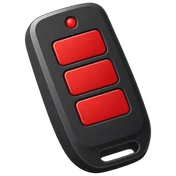
Plenty of calls about a garage door opener not working end with one of a handful of things you can check yourself in a few minutes. Work through them in order:
If all of that checks out and the door still won't move, the sections below cover what the opener's symptoms mean.
- Power: see whether the opener's light comes on and the wall button does anything, then check that the plug is seated, test the outlet with a lamp, and look for a tripped breaker or GFCI outlet.
- Lock feature: many wall controls have a lock button that shuts out remotes and keypads while the wall button keeps working.
- Remote and keypad batteries: if one remote works and another doesn't, the problem is the remote.
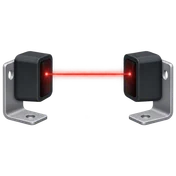
- Safety sensors: both photo-eye lights near the floor should glow steadily, and a dark or blinking light means they're blocked, dirty or misaligned.
- Emergency release: if someone pulled the red cord, the opener runs but the door doesn't move.
- Manual lock: a slide lock or handle engaged on the inside of the door will stall the opener.
Why is my garage door not responding to the remote?
If the wall button works but no remote does, look at the wall control first. On many LiftMaster and Chamberlain openers, the lock feature shuts out remotes while the door control keeps working. Chamberlain says the opener lights flash twice when you try a remote with lock on; press the lock button to turn it off, then try again.
If only one remote fails, replace its battery and try again from closer to the door. If it still doesn't respond, it may need to be programmed again using the learn button on the opener, which is how remotes and keypads are added. Remotes have to match the opener's radio system, so a new remote may not work with an opener that's 20 years old.
A garage door keypad not working is usually a dead battery, the lock feature, or a code that got cleared. Keypads also take a beating from winter cold and summer sun, and a cracked or waterlogged one is worth replacing. Our remote and keypad repair service handles programming and replacements.
Garage door opener light blinking: what it means
On many Chamberlain and LiftMaster openers, the main lights flash 10 times when there's a safety sensor problem, and the door won't close by remote. Models with up and down arrow lights flash diagnostic codes instead: count the flashes on the up arrow, then the down arrow. Chamberlain lists code 1-1 as a blocked, misaligned or unplugged sensor and code 1-2 as reversed or shorted sensor wiring. Patterns vary by model and age, so check your manual.
Fix the sensors first. Wipe the lenses, clear anything in the beam, and gently adjust the brackets until both sensor lights glow steadily, then tighten them. Low sun shining straight into the receiving sensor can also block the signal. If the lights stay off or flicker after that, a wire may be pinched or damaged; our guide to garage door sensor problems walks through it.
Why does my garage door opener hum but not open?
A hum means the motor is getting power but the door isn't moving. Stop pressing the button, because running a stalled motor can damage it. Chamberlain's troubleshooting sorts the causes by how long the hum lasts:
Check the springs before anything else. Look for a gap between coils on the torsion spring above the door, or a loose extension spring along the tracks. A broken spring means the opener is trying to lift the full weight of the door, and that's a job for garage door opener repair and spring work, not more button pushing. Our guide to a garage door that won't open covers more of these symptoms.
- A brief hum, then nothing: the door's lock is engaged, the trolley is stuck on its stop bolt, or a spring is broken.
- About 30 seconds of humming on a chain or belt drive: the door is disconnected from the opener at the emergency release.
- Humming on a screw drive: a failed capacitor, or a stripped rack along the rail if it hums longer than 5 seconds.
- A wall-mount unit that hums: the door may be disengaged, or the collar may be slipping on the torsion bar.
When the door reverses, stops short or won't close
If the opener runs but the door reverses on the way down or stops partway, the opener thinks something is in the way. That's the safety system doing its job: federal rules require openers made since 1993 to start reversing within two seconds of hitting an obstruction. Sensors are the usual cause. If they check out, the travel limits or force settings may need adjusting, or the door itself may be binding on a bent track or a dry roller.
Don't turn the force setting all the way up to make a stubborn door close, because that weakens the reversing protection. A door that needs more force has a mechanical problem that should be fixed.
How long do garage door openers last?
Most last about 10 to 15 years, the range the National Association of Home Builders lists for openers, and Genie notes that service parts may be hard to find for units more than about 10 years old. Heavy use, a door that's out of balance, and years without maintenance all shorten that life.
Repair makes sense for remotes, sensors, gears, capacitors and logic boards on a newer opener. Replacement makes sense when the opener is old, parts are discontinued, it's loud, or you want battery backup and app control. Our guide to the best garage door openers compares drive types, and garage door opener installation covers the swap.
Getting it fixed
If you've worked through the checks and the opener still won't cooperate, we repair all major brands, including LiftMaster, Chamberlain and Genie. The technician inspects the door and opener first, gives you a written price, and starts only when you approve it, and every visit ends with a balance check and an auto-reverse safety test. We're open every day from 7 AM to 10 PM. Book online for a two-hour arrival window or call (732) 555-0142.
Questions people ask
Why is my garage door not responding to the remote?
The most common causes are the lock feature turned on at the wall control, a dead remote battery, or a remote that lost its programming. If the wall button doesn't work either, check the power, the breaker and the safety sensors.
Why does my garage door opener hum but not open?
Humming means the motor has power but can't move the door. A broken spring, an engaged door lock, a disconnected trolley, a failed capacitor or a stripped gear or rack are the usual causes. Stop pressing the button and check the springs first.
How long do garage door openers last?
Typically 10 to 15 years. Heavy use and a poorly balanced door shorten that, and parts for older units can be hard to find.
Why is my garage door opener light blinking?
On many Chamberlain and LiftMaster openers, flashing lights mean the safety sensors are blocked, dirty, misaligned or miswired, and the door won't close by remote. Clean and realign the sensors until both indicator lights glow steadily.
Why is my garage door keypad not working?
Start with the keypad battery, then check whether the lock feature is on at the wall control. If it still fails, program it again using the opener's learn button, or replace it if it's cracked or water-damaged.
Rather have it handled?
Our technicians handle opener repair across Jackson, Ocean County and Monmouth County, with a written price before any work starts.
Sources
- support.chamberlaingroup.com/s/article/Why-do-the-lights-on-my-garage-door-opener-flash-and-my-door-will-not-close-1484145609322
- support.chamberlaingroup.com/s/article/Garage-Door-Opener-Diagnostic-Codes
- support.chamberlaingroup.com/s/article/Why-does-my-garage-door-opener-hum-but-the-door-does-not-move-1484145515528
- support.chamberlaingroup.com/s/article/How-to-Manually-Open-or-Close-a-Garage-Door
- law.cornell.edu/cfr/text/16/1211.7
- standards.nsf.org/higherlogic/ws/public/download/348/NAHB%202007%20StudyUseful%20Life%20of%20Home%20Components.pdf
- store.geniecompany.com/blogs/genie-blog/preventative-maintenance-replace-your-garage-door-opener-before-breakdown