
Most garage door repair calls start with one of three complaints: the door won't open, it won't close, or it has started making a noise it never made before. We're a residential garage door company based in Jackson Township, serving homes within about 25 miles across Ocean County, Monmouth County and the eastern edge of Mercer County.
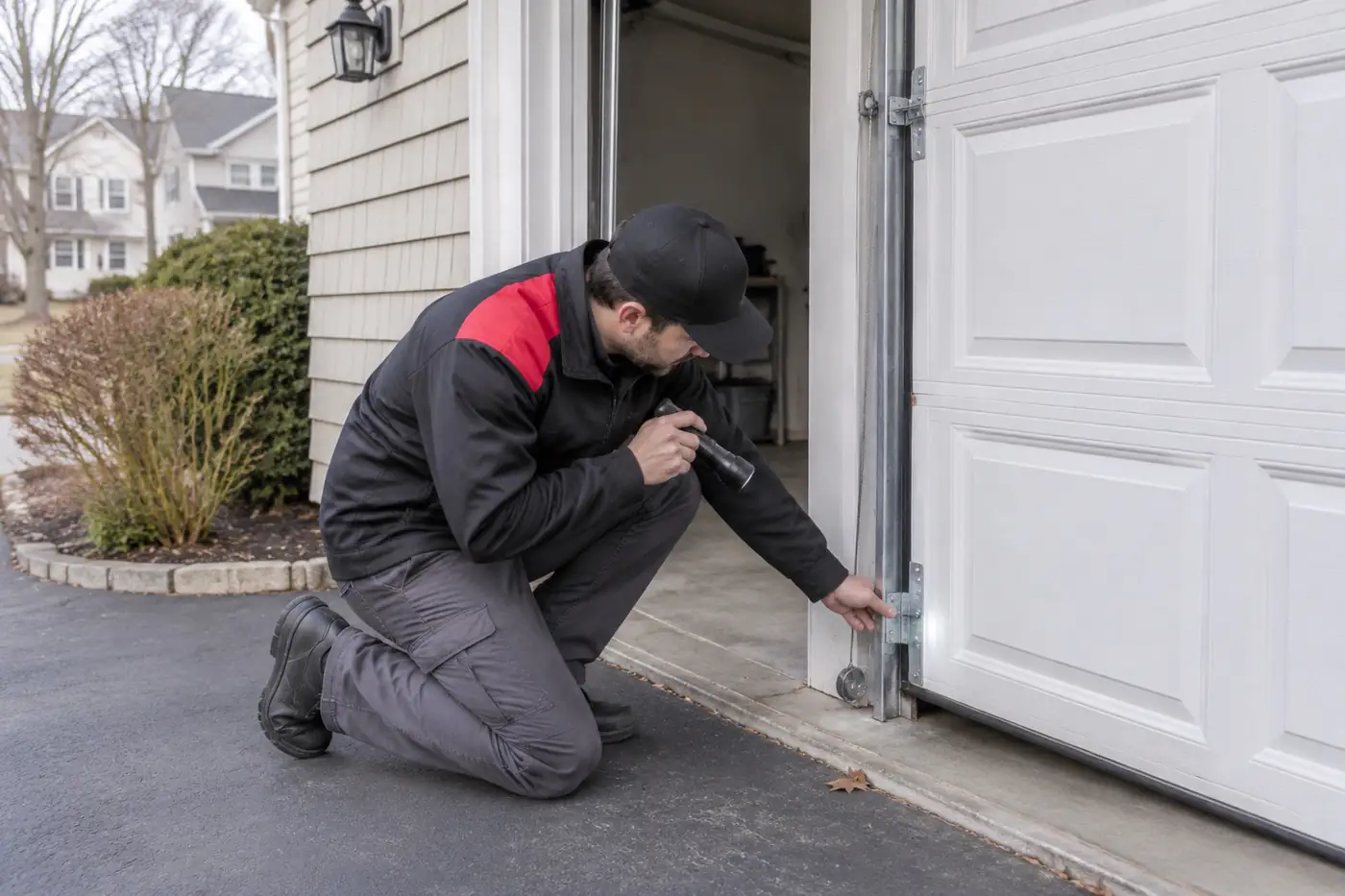
Keep one thing in mind: a garage door is a heavy, spring-balanced machine. The springs carry almost all of the door's weight, and the opener only pushes and pulls a door that should already feel light by hand. So the part making the noise isn't always the part that failed, which is why our technician looks over the whole door before writing up a price.
What to look for
Broken springs
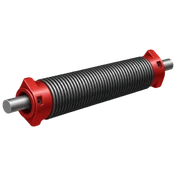
A bang from the garage, a door that suddenly feels too heavy to lift, or a two-inch gap in the coil on the bar above the door.
Opener trouble
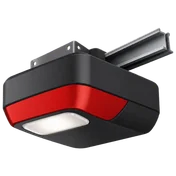
The motor hums, clicks or runs without moving the door, or the door reverses partway down for no reason you can see.
Frayed or snapped cables
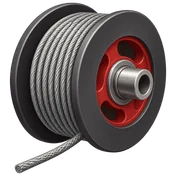
Loose cable hanging beside the track, a door that rises crooked, or one bottom corner sitting lower than the other.
Off-track or crooked doors
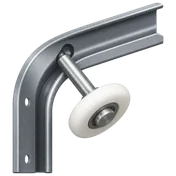
Rollers popped out of the track after a car bump or cable failure, with the door jammed at an angle.
Damaged sections
Dented, cracked or bowed sections, split stiles where hinges pulled loose, and rotted wood.
Sensors, remotes and keypads
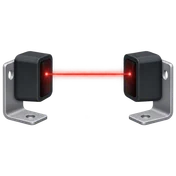
Lights that blink when you try to close, remotes that stopped working, and keypads that ignore the code.

What is the most common problem with garage doors?
Broken springs are the most common failure we see. Every spring is built for limited open-and-close cycles, and a standard spring is commonly rated for about 10,000 of them. A family that uses the garage as its front door can use that up in well under ten years. If a spring breaks while the door is closed, the door usually stays put, but it becomes far too heavy for the opener, which strains for a moment and gives up.
Next come opener and control problems, most of them small: sensors knocked out of line, a dead remote battery, a console in lock mode, or a worn drive gear. Then the wear parts, like fraying cables, cracked rollers and loose hinges. Those give warning signs for months, so a noisy, jerky door is worth a look before it stops.
Which garage door repair do you need?
Each repair has its own page covering symptoms, safe steps and what the work involves. Not sure which fits? Describe what the door is doing when you call (732) 555-0142 and we'll work it out together.
- Garage door spring repair: torsion and extension springs, sized to your door's weight and replaced in pairs.
- Garage door opener repair: LiftMaster, Chamberlain, Genie and other major brands that hum, click, reverse or ignore the remote.
- Garage door cable repair: frayed or snapped lift cables and cables that have jumped off the drum.
- Off-track door repair: doors knocked out of the track, bent track sections and doors hanging crooked.
- Roller and hinge replacement: worn steel rollers, cracked hinges and doors that shake on the way up.
- Panel and section replacement: a dented or cracked section swapped out when a matching section is still made.
- Safety sensor repair: photo eyes that blink, won't line up or have damaged wiring.
- Remote and keypad repair: programming remotes, car buttons, keypads and smart controls.
- Weather seal replacement: bottom seals and perimeter stops that let in water, leaves and drafts.
- Tune-ups and maintenance: lubrication, adjustment and a full safety check before small wear turns into a breakdown.
- Emergency and same-day repair: a car trapped inside or a door stuck open, fitted in as fast as the day's schedule allows.
What's safe to check before we get there
A few two-minute checks sometimes solve the problem outright. If the remote stopped working but the wall button still runs the door, replace the remote's battery. If nothing works, check that the opener has power and that nobody pressed the lock button on the wall console. If the door starts down and reverses, or the opener lights flash, wipe the lenses on the two small sensors near the floor and make sure nothing blocks the beam. Our guide to a garage door that won't close walks through the rest.
Leave everything else alone. Springs, cables and the bottom brackets where cables attach are under heavy tension, and that tension injures people who try a repair with the wrong tools. Don't run the opener on a door with a broken spring or one that's off its track. And if a spring may be broken while the door is open, don't pull the red release cord: the springs are no longer holding the door, so it can drop fast.
How pricing works on a repair visit
We don't quote repairs over the phone, because the same symptom can mean a quick adjustment or a pair of springs and two cables. Our technician inspects the door, explains what failed and why, and gives you a written price. Nothing starts until you approve it, and the onsite estimate is free with no obligation. If you'd like a sense of typical ranges first, our garage door repair cost guide lays them out, and current offers are in the coupons section of our homepage.
Sometimes the honest answer is that a repair doesn't make sense. On an old, uninsulated door with cracked sections and worn-out springs, repairs can add up faster than the door is worth, and we'll say so. Our repair or replace guide explains how we weigh it: the door's age, how many parts are failing at once, whether replacement sections are still made, and how you use the garage.
Garage door repair in Jackson and the towns around it
From our Jackson base we work across both counties every day, in towns like Toms River, Lakewood, Howell, Freehold and Brick, and many more. The full list is on our service areas page.
Local conditions shape what breaks. Winter cold stiffens grease and makes springs and openers work harder, so a lot of tired springs give out on the first hard freezes of the season. Homes near Barnegat Bay and along the Manasquan and Metedeconk rivers see rust on springs, cables and bottom brackets years sooner than homes inland. And in newer subdivisions, many garages sit under a bedroom or family room, so a door that bangs and rattles is more than a nuisance.
How the visit works
Call or book a window
Call (732) 555-0142 between 7 AM and 10 PM any day, or book a two-hour window online. Same-day visits happen when the schedule allows.
Inspect the whole door
We check springs, cables, drums, rollers, hinges, tracks and the opener, since one failure often stresses the parts around it.
Written price, your decision
You get a written price before any work starts, and you're free to think it over.
Repair, balance and test
We balance the door so it holds at halfway, adjust the opener, and finish every visit with an auto-reverse safety test.
Questions people ask
How much does it cost to fix a garage door?
It depends on what failed. A sensor adjustment, a spring pair and a new opener are very different jobs, so we give you a written price after inspecting the door, and the estimate is free. For typical ranges from national cost surveys, see our garage door repair cost guide.
What is the most common problem with garage doors?
Broken springs are the most common problem. They're built for a limited number of cycles, and when one breaks the door becomes too heavy for the opener to lift. Opener issues such as misaligned sensors, worn gears and remote trouble come next.
What are common garage door opener problems?
The usual ones are dirty or misaligned safety sensors, dead remote batteries, a wall console stuck in lock mode, stripped drive gears, and travel or force settings that drift out of adjustment. A motor that hums without moving the door often points to a broken spring or a worn gear. Our opener repair page covers each symptom.
Can you come out today?
We can when the schedule allows. We work 7 AM to 10 PM every day, weekends included, so call (732) 555-0142 as early as you can and we'll give you the soonest window we have.
Do I need a new door or just a repair?
Most problems are repairable, since springs, cables, rollers, openers and even single sections can be replaced. Replacement starts to make sense when several parts are failing at once, damaged sections are no longer made, or the door is old and uninsulated under living space. When it's close, we'll give you both options in writing.
Is it safe to use the door with a broken spring?
No, leave it closed and unplug the opener. The door is far heavier than the opener is built to lift, and running it can strip the gear or pull a cable off its drum. If the door is open, keep everyone out from under it and call us.