The short answer
Use silicone spray or a dedicated garage door lubricant on hinges, roller bearings and springs. White lithium grease suits metal-to-metal parts.
Plain WD-40 is a water-displacing cleaner, not a lasting lubricant. Use it to clean off grime, then lubricate with the right product.
Lubricate every three to six months, and lean toward three near salt water or on a door that runs many times a day.
Test the door's balance and auto-reverse every month. If either fails, stop using the opener until it's fixed.




What garage door lubricant is best for each part?
Silicone sprays and products labeled as garage door lubricant are thin enough to get into roller bearings and hinge pivots, then leave a film that doesn't grab much dirt. White lithium grease is thicker and made for metal-to-metal contact, so it stays put on bearing plates and spring coils. Use it sparingly, because it holds dust, and keep it off plastic and nylon parts, which some lithium greases can harm.
Skip motor oil and heavy wheel-bearing grease. They drip, collect grit, and turn into sticky paste in a cold garage. And don't lubricate the tracks: rollers are supposed to roll, and a greasy track makes them skid and gum up.
| Part | What to use | Notes |
|---|---|---|
| Hinge pivots | Silicone spray or garage door lubricant | Spray where the hinge knuckle turns, then wipe drips |
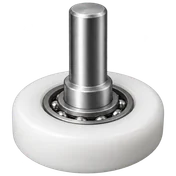
| Roller bearings | Silicone spray or garage door lubricant | Aim at the bearings, not the nylon wheel tread |
| Torsion spring coils | Garage door lubricant or a little white lithium grease | Coat the length of the spring; never touch the winding cones |
| Extension spring pulleys | Silicone spray | Lubricate the pulley axles, not the cables |
| Bearing plates and center bearing | White lithium grease or garage door lubricant | The bearings that carry the spring bar |
| Lock and lock bar | Silicone spray | Work the lock a few times after spraying |
| Opener rail, only if the manual calls for it | Thin layer of white lithium grease | Chamberlain suggests every two to three years where required |
| Tracks | Nothing; wipe clean with a damp cloth | Grease on tracks traps grit |
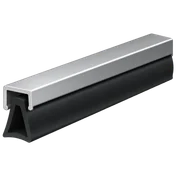
| Rubber weather seals | Silicone spray, optional | Keeps rubber flexible and less likely to freeze to the driveway |
Should I spray WD-40 on my garage door?
Not as a lubricant. WD-40 Company says the name stands for water displacement, and the formula came out of work on rust-prevention solvents and degreasers. That makes the original blue-and-yellow can good at loosening grime, softening old gummy grease and chasing moisture out of a lock. It isn't designed to leave the lasting film that hinges, bearings and springs need, and door manufacturers advise against it for garage door lubrication because it attracts dirt and wears off quickly.
Here's the useful way to use it: spray it on a rag, wipe the black gunk off hinges and roller stems, then apply a proper garage door lubricant. If you like the brand, WD-40 sells separate Specialist silicone and white lithium grease products made for this kind of job.
How often should a garage door be lubricated?
Every three to six months for most homes. A door that cycles many times a day, a dusty garage, or older hardware calls for the shorter end. So does the shore. Salt air from Barnegat Bay up to the Monmouth County beaches works on bare steel year round, and a fresh film of lubricant helps keep moisture off. Our garage doors for shore homes guide covers rinsing and hardware choices near the water.
A practical New Jersey schedule is spring and fall: once after the road salt is gone, and once before the first hard freeze. If the door starts squeaking in between, that's your reminder, because a noisy garage door is often just a dry one.
How to lubricate a garage door, step by step
Set aside about half an hour. You'll need a rag, a stepladder, and the lubricants above with their straw applicators.
Keep your hands off the springs' winding cones, the bottom brackets and the lift cables. They hold the tension that lifts the door, and adjusting them takes winding bars and training.
- Close the door and unplug the opener so it can't start while you work.
- Wipe the tracks with a damp cloth and clear out grit, sand and leaves.
- Clean old, dirty grease off the hinges and roller stems with a rag.
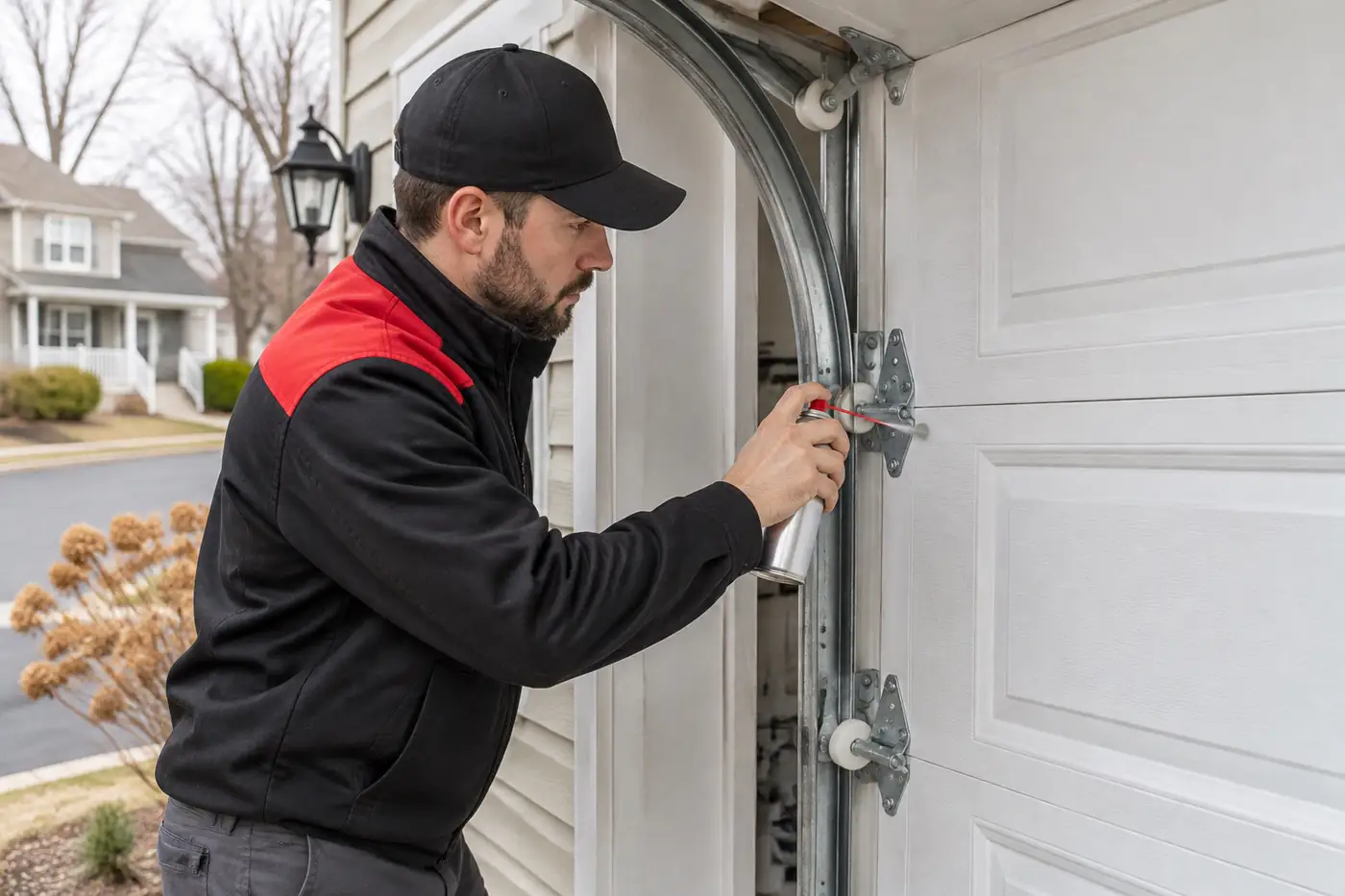
- Give each hinge pivot and each roller bearing a short burst, using the straw for accuracy.
- Coat the torsion spring lightly from end to end, or the pulleys on extension springs, without touching the cones or cables.
- Treat the bearing plates at each end of the spring bar and the center bearing.
- Plug the opener back in, run the door up and down several times to spread the lubricant, and wipe off any drips.
Garage door maintenance checklist: monthly, seasonal and yearly
Lubrication is one part of garage door maintenance. These checks catch the problems that lead to breakdowns:
Federal safety rules require openers made since 1993 to start reversing within two seconds of hitting an obstruction, but sensors get bumped and settings drift. If the door fails the 2x4 or photo-eye test, stop using the opener until it's adjusted or repaired.
- Monthly balance test: with the door closed, pull the emergency release, lift the door to about waist height and let go, and it should stay put; if it drops, rises or feels very heavy, the springs need a technician, so reconnect the opener and call.
- Monthly auto-reverse test: lay a 2x4 flat on the floor under the door and close it, and the door should reverse when it touches the board; then pass something through the photo-eye beam while the door closes, and it should reverse again.
- Monthly look and listen: watch the door run and look for frayed cables, cracked rollers, loose hinges, bent track and rust on the springs.
- Every three to six months: lubricate the hinges, roller bearings, springs and bearing plates.
- Spring and fall: check the bottom seal and side weatherstripping for cracks or daylight, and snug the hinge and track bracket bolts.
- Yearly: wash the door with mild soap and water, test the opener's battery backup if it has one, and book a professional tune-up.
Weather seals: the part everyone forgets
The rubber bottom seal and the stop molding along the sides keep out rain, leaves, mice and cold air. Winter is hard on them: a bottom seal can freeze to the driveway, and the opener tears it when it lifts. If you see daylight around the door, find puddles inside after a storm, or the bottom rubber is cracked and flat, it's time for garage door weather seal replacement.
When to call for a professional tune-up
A yearly tune-up catches what a homeowner can't safely adjust: spring tension, cable wear, drum alignment and opener force settings. Our garage door maintenance visit covers lubrication, hardware tightening, roller and track inspection and opener adjustments, and like every visit it ends with a balance check and an auto-reverse safety test. If rollers are cracked or wobbling, we'll include garage door roller replacement in the written price so you can decide before any work starts.
Check the coupons on our homepage before you book.
Questions people ask
What lubricant is best for garage doors?
A silicone-based spray or a product labeled as garage door lubricant works best for hinges, roller bearings and springs. White lithium grease suits metal-to-metal points like bearing plates. Avoid motor oil and heavy grease, and don't lubricate the tracks.
Should I spray WD-40 on my garage door?
Only to clean it. Original WD-40 is a water-displacing product that leaves a thin film, so it doesn't last as a lubricant and door manufacturers advise against it. Clean with it if you like, then apply silicone spray or a garage door lubricant.
How often should a garage door be lubricated?
Every three to six months for most homes. Go with every three months if the door runs many times a day, the garage is dusty, or you live near salt water.
Should I lubricate garage door tracks?
No, leave them dry. Tracks should be clean so the rollers roll instead of sliding, so wipe them with a damp cloth and lubricate the roller bearings instead.
Can I lubricate nylon rollers?
Lubricate the bearings, not the nylon wheel. Sealed-bearing nylon rollers need little or nothing, and some lithium greases can harm plastics, so a light silicone spray at the stem and bearing is enough.
Rather have it handled?
Our technicians handle maintenance and tune-ups across Jackson, Ocean County and Monmouth County, with a written price before any work starts.
Sources
- clopaydoor.com/residential/buyingguide/how-to-properly-lubricate-garage-door-components
- clopaydoor.com/blog/post/blog/2022/08/03/why-you-should-never-use-wd-40-on-a-garage-door
- wd40.com/history/
- wd40.com/specialist/
- support.chamberlaingroup.com/s/article/Does-my-garage-door-opener-require-any-monthly-or-annual-maintenance-1484145520006
- law.cornell.edu/cfr/text/16/1211.7
- store.geniecompany.com/blogs/genie-blog/preventative-maintenance-replace-your-garage-door-opener-before-breakdown
- clopaydoor.com/residential/buyingguide/garage-door-styles/garage-doors-for-coastal-homes